
This October, I moderated a German-into-English translation slam. Here, Bronwen Davies and Katy Fowler compared their translations of a written interview with a contemporary classical composer before an audience of fellow translators – an exercise where language experts can really demonstrate their skills. In the right hands, there might be many changes, but the meaning and spirit of the original remain and are now more widely understood.
However, the once highly esteemed job of providing an audience with a written rendition of their words turned, as if by magic, into another language is increasingly being taken over by machines. Translation apps, machine translation and AI-generated texts have been appearing everywhere for some time. Translation agencies are offering more projects where Translators post-edit machine or AI-generated translation, changing traditional translation work considerably.
So, who are we and what are we doing?

My regional network of the Institute of Translation and Interpreting recently held its annual Members’ Day. This included a presentation by Christophe Fricker of the University of Bristol. Entitled Once a translator, still a translator?, Christophe questioned our continued use of the term Translator leading to a discussion of who we are and what we do now.
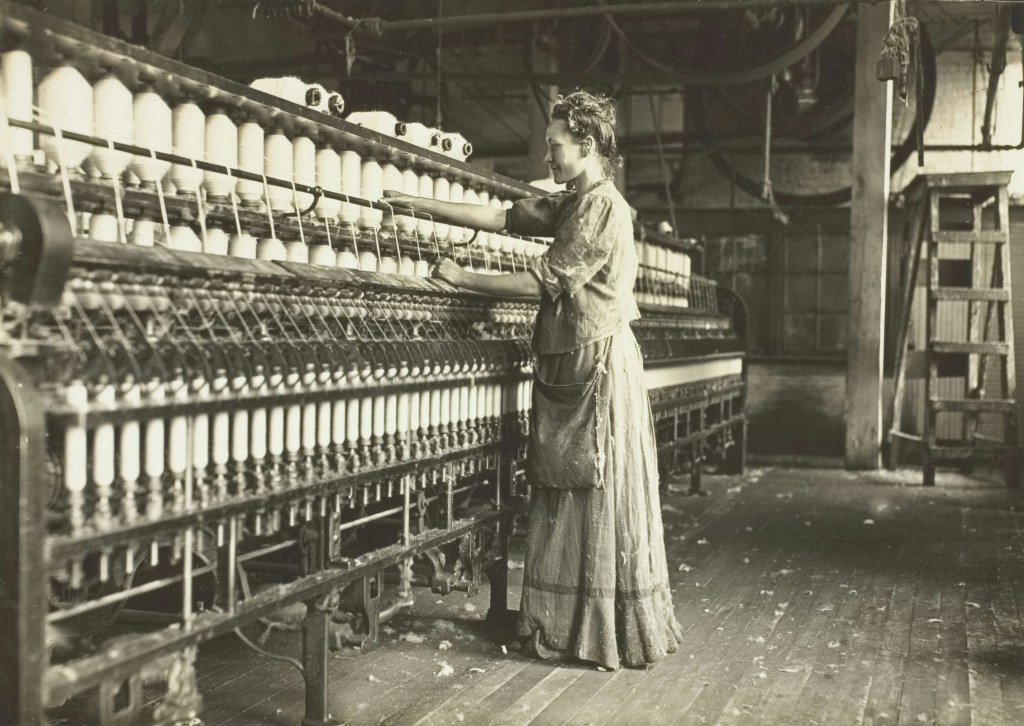
So, what are we doing? We may still be translating, but we are more often proofreading, editing, copywriting, creating content, revising… One document is still becoming another document. Is it simply different or enhanced? Is it typed, written, audible, interactive…? Post-editing machine/AI-generated documents reminds me of the dramatic changes that took place as part of the industrial revolution. Artisanal crafts were transformed into mechanised roles. In parallel, post-editing projects may seem like puzzle-solving exercises, swapping raw streams of words into coherent ideas.
As I still translate, I feel I am a Translator, but my website describes me as a Translator, Editor and Proofreader because I undertake all these tasks. Yet, they are all related. In fact, I have always proofread and edited my own translations. As linguists, do we need to fit into a box? Maybe, we teach alongside translation. Maybe, we offer marketing advice as a language consultant. Do we want a snappy job title or an explanation of our role? If your role has changed drastically, are you now more of a Consultant, a Linguist, a Word Artist? Are you a Word Weaver or a Sentence Spinner? Do you “work in communications”?
One thing is certain though: Without the human touch, those raw materials will not be a finished product.

